Garden Clearance Seven Kings: Recycling and Sustainability Commitment
At Garden Clearance Seven Kings we prioritise an eco-friendly waste disposal area approach that reduces landfill and fosters reuse. Our Seven Kings garden clearance services are designed to create a sustainable rubbish area model that works with local borough systems, community partners and modern low-emission transport. We believe every green heap cleared from a front or back garden can be treated as a resource, not just rubbish. Using clear separation, careful sorting and targeted redistribution, our goal is to make garden clearance in Seven Kings a long-term environmental benefit.We operate with a clear sustainability framework: reduce, reuse, recycle. Our teams use low-carbon vans and optimised routing to limit emissions during collections across Seven Kings and neighbouring streets. Vehicles include a mix of hybrid and fully electric vans where operationally suitable, as well as Euro 6 compliant low-emission vehicles to keep journeys greener. Through route planning and load consolidation we cut unnecessary mileage and keep our carbon footprint for garden clearing and green waste transport as low as possible.
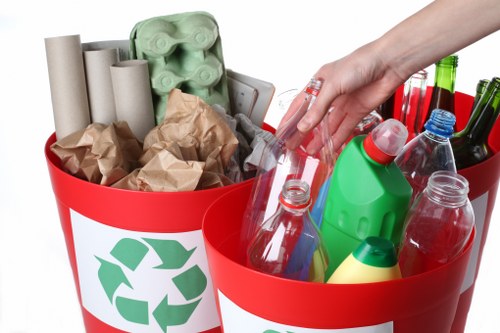 Our work aligns with the boroughs' approach to waste separation: many local councils encourage the separation of garden waste, food waste and mixed recyclables at source. That means our operatives carefully segregate green waste, wood, soil and inert materials on-site so that they can be delivered to appropriate facilities. To support these aims we set clear internal targets for reuse and recycling, and we regularly review our performance against local authority guidance and the expectations of residents.
Practical Recycling Targets and Local Transfer Stations
We have a specific recycling percentage target: a minimum of 75% recycling and reuse for garden-originated materials collected through our Seven Kings garden clearance operations. This target covers organic green waste diverted to composting, reclaimed soil and turf reuse, timber and wood chip recovery, and salvage of bricks, paving and metal for reuse. To reach that target we work closely with nearby transfer stations and materials recovery facilities (MRFs) serving East and North-East London, ensuring properly sorted loads are accepted and processed into new products or energy recovery streams.Nearby transfer stations and regional MRFs provide the infrastructure to turn separated green waste into compost or biomass, and to recycle inert materials. We coordinate deliveries to these facilities to reduce double-handling and ensure that our sustainable rubbish area practices in Seven Kings feed directly into the circular economy. By partnering with these local hubs we cut transport distances and support the local waste-management network.
Key recycling activities relevant to the area include:
- Green waste composting - garden cuttings, leaves and hedge trimmings processed into quality compost;
- Wood recycling and chipping - branches and timber turned into mulch or biomass;
- Soil and turf reuse - topsoil and turf reclaimed for landscaping projects;
- Hard material salvage - bricks, stone and metal recovered for reuse in local builds;
- Segregated hazardous disposal - controlled processing of oils, treated timber or chemical residues.
Partnerships with Charities and Community Reuse
 We maintain strong partnerships with local charities and community groups to give items a second life. Usable planters, raised beds, paving slabs and certain timber elements are assessed on-site and — where viable — offered to community allotments, charity re-use shops or social enterprises. This not only supports local good causes but increases our overall reuse rate, contributing directly toward our 75% recycling and reuse objective for garden clearance Seven Kings.
These charity partnerships are formal and informal: donations, negotiated transfers and collaborations with volunteer groups that run neighbourhood greening projects. By routing reusable materials to local projects we reduce waste miles and help fund community initiatives that improve green space and biodiversity across the borough.
Sustainable Rubbish Area Practices and Safety
On every job we set up a consistent sustainable rubbish area: clearly labelled bags and containers for organics, wood, metals and inert materials; segregated hazardous containment for items such as treated timber or contaminated soil; and a designated area for items destined for charity. Health and safety are built in, and we record all movements so tonnages and destination data can be audited. These practices support the boroughs' guidance on household and garden waste separation and reduce contamination rates at transfer stations.Measuring Success and Continuous Improvement We measure recycling performance through monthly reporting, tracking percentages of diverted green waste, reused material volumes and residual waste sent to landfill or energy recovery. Our internal dashboards compare performance across jobs in Seven Kings and help identify opportunities to increase composting, expand charity reuse and improve on-site segregation. We revise our targets annually and are committed to improving beyond the 75% baseline as infrastructure and community engagement grow.
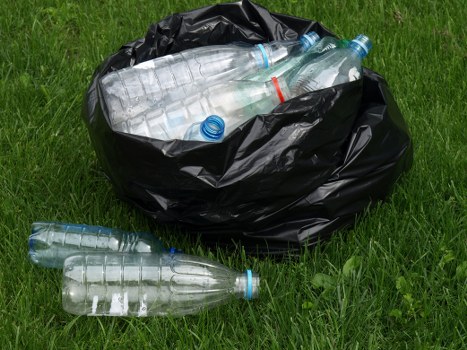 Community engagement is essential: our teams run local awareness initiatives and coordinate with the London Borough of Redbridge and neighbouring authorities to match local waste separation rules. The borough's approach—promoting separate garden waste collections where possible and encouraging the separation of food, paper, plastic and glass—aligns with our processes. By mirroring council collection standards we make it easier for residents to extend good separation habits from household bins to garden clearance activities.
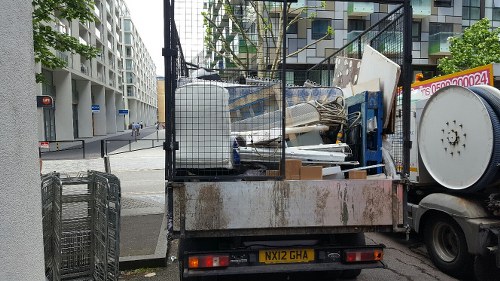 Looking ahead, our vision for sustainable garden clearance in Seven Kings is to build a resilient local loop where cleared green material is transformed into compost, reclaimed for landscaping or reused by charities and social enterprises. Through low-carbon vans, strategic partnerships with local transfer stations and charities, and a firm recycling percentage target, we deliver a garden clearance service that respects resources and supports local sustainability goals.