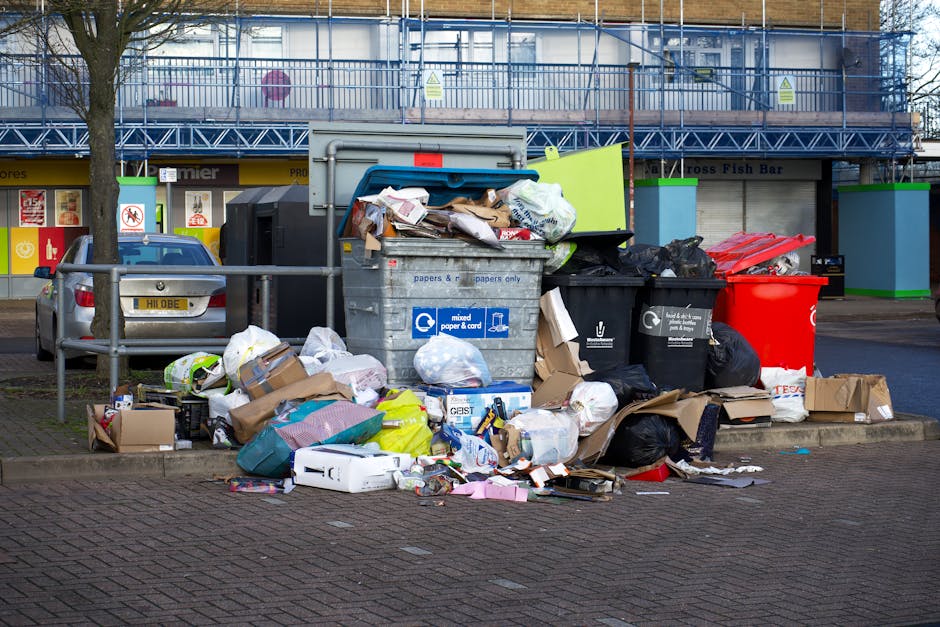
Insider tips for rubbish removal on Cranbrook Road Seven Kings

If you are trying to clear rubbish on Cranbrook Road in Seven Kings, the process can feel oddly fiddly. Space is tight, timing matters, and one badly planned load can turn a quick job into a messy afternoon. The good news? A few insider tips make rubbish removal on Cranbrook Road Seven Kings much smoother, cheaper, and less stressful.
This guide walks you through what works in real life: how to plan a clearance, avoid common mistakes, choose the right method for the right kind of waste, and keep everything safe and tidy. Whether you are dealing with household clutter, builder's debris, an overfilled flat, or a garage that has somehow become a storage unit, you will find practical advice here. Let's face it, rubbish rarely clears itself.
- Why this matters on Cranbrook Road
- How the process works
- Key benefits and practical advantages
- Who it is for
- Step-by-step guidance
- Expert tips for better results
- Common mistakes to avoid
- Tools, resources and recommendations
- Law, compliance, standards and best practice
- Options and comparison table
- Case study
- Practical checklist
- Conclusion
- Frequently asked questions
Why Insider tips for rubbish removal on Cranbrook Road Seven Kings Matters
Cranbrook Road is one of those stretches where local logistics really matter. There are homes, flats, shops, busy pavements, parked cars, and a constant flow of everyday life. That means rubbish removal is not just about lifting bags and driving away. It is about planning access, avoiding delays, and making sure waste does not become a nuisance to neighbours or passers-by.
In our experience, people usually notice the problem too late. A loft gets emptied on a Saturday morning, the pile grows by the hour, and suddenly the front path is blocked. Or a small renovation produces more rubble than expected, and the skip idea starts sounding less convenient. That is exactly where good rubbish removal habits help. They save time, reduce stress, and often stop unnecessary extra trips.
There is also a trust angle here. When waste is removed properly, sorted sensibly, and sent for recycling where possible, you are not just making space. You are handling the job responsibly. That matters if you are a homeowner, landlord, tenant, tradesperson, or business owner trying to keep a property presentable. No one wants a neat room inside and a heap of broken stuff on the pavement outside.
For many readers, the real question is simple: how do you make rubbish removal efficient without overpaying or making a mess? The rest of this article answers exactly that.
How Insider tips for rubbish removal on Cranbrook Road Seven Kings Works
The process is straightforward once you understand the moving parts. First, identify what type of waste you have. Mixed household rubbish behaves very differently from builder's waste, furniture, green waste, or office clearance items. Then decide how much you need removed, how quickly it needs to go, and whether anything requires special handling.
The practical steps usually look like this:
- Separate what is staying from what is leaving.
- Group the waste into obvious categories: bags, bulky items, wood, rubble, metal, garden waste, or general clutter.
- Check whether any items are hazardous, sharp, very heavy, or awkward to move.
- Make sure the access route is clear, especially if items need to pass through hallways, stairwells, or narrow front paths.
- Book the right removal method and choose a suitable time window.
- Load efficiently so the most awkward items do not create wasted space.
- Ensure responsible disposal, including recycling where practical.
That sounds simple, and mostly it is. But the difference between a smooth clearance and a stressful one tends to be in the detail. For example, a stack of flat-pack wood can be broken down neatly, while a mixed pile of broken shelving, bagged waste, and loose screws becomes a headache. Tiny choices like that have a big effect.
If the job involves a larger property clearance, it can help to compare the service style with home clearance or house clearance support, especially when you are dealing with multiple rooms rather than one bin bag at a time.
Key Benefits and Practical Advantages
Done properly, rubbish removal offers more than a tidy space. It changes how the property functions day to day. That sounds grand, but it is true. A clear hallway feels safer. A cleared garage is easier to use. A clean side return stops becoming a source of nagging irritation every time you walk past it.
- Speed: You can reclaim space quickly instead of living with clutter for weeks.
- Convenience: There is less lifting, fewer trips, and less back-and-forth.
- Safety: Fewer trip hazards, sharp edges, and unstable piles.
- Better access: Easier movement through homes, flats, offices, and gardens.
- Cleaner presentation: Helpful for landlords, sellers, tenants, and businesses.
- Responsible disposal: Good practice means items are sorted and treated properly.
There is also a subtle financial benefit. If you plan well, you often avoid paying for wasted capacity, repeat visits, or emergency clearances. The other thing people forget is time. Clearing rubbish yourself can eat up an entire day, sometimes more. And that is before you discover that the old sofa does not fit through the stairs. Classic.
If you want to understand broader disposal options, you may also find waste removal useful as a wider starting point, especially when the load is mixed rather than one neat category.
Who This Is For and When It Makes Sense
This type of rubbish removal advice is useful for a wide range of people, but the reasons vary. A family clearing out after a renovation has different priorities from a small business trying to empty old stock or office furniture. A tenant leaving a flat in a hurry needs a fast turnaround. A landlord may care most about presentation and handover readiness.
It makes sense when you are dealing with any of the following:
- Household clutter after a clear-out or move
- Bulky furniture that is too awkward for ordinary bins
- Garage, loft, or shed waste that has built up over time
- Garden waste after cutting back shrubs, turf, or branches
- DIY and construction debris from a small project
- Office or shop waste during refurbishment or relocation
- End-of-tenancy mess that needs sorting fast
Some jobs are more specialised than others. A pile of broken plasterboard is not the same as old wardrobes, and a garden clearance has different handling needs from office furniture disposal. That is why matching the service to the waste matters. If you are moving heavy items or outdated furniture, it may be useful to look at furniture disposal or furniture clearance options rather than treating everything as general rubbish.
Truth be told, many people do not need a huge solution. They just need the right one.
Step-by-Step Guidance
Here is a practical way to handle rubbish removal on Cranbrook Road Seven Kings without the usual chaos.
1. Start with a quick sort
Before anything gets moved, split the waste into rough categories. Keep bags together, bulky items together, recyclables together, and anything sharp or potentially hazardous separate. This saves time later and reduces the chance of damage or injury.
2. Measure the access, not just the pile
People often focus on how much rubbish they have and forget how it leaves the property. Check stair width, doorway clearance, hallway bends, gate access, and parking limitations. On a busy road, this is a big deal. A clearance can be perfectly planned and still go wrong if a wardrobe cannot turn the corner.
3. Break down items where it helps
Flat-pack furniture, shelving, and light timber can usually be dismantled to save space. Remove drawers, unscrew loose parts, and tape down dangerous edges where needed. Not every item should be broken apart, of course, but a bit of prep can dramatically reduce the load size.
4. Place items near the exit
If it is safe to do so, move items into one tidy holding area close to the front door, driveway, or ground-floor access point. That reduces repeated lifting and speeds up loading. It also makes the job feel less overwhelming. Seeing the pile shrink is strangely motivating.
5. Load in a sensible order
Heavier and flatter items generally go in first, with lighter and awkward pieces filling the spaces. A good loading pattern matters more than people think. The aim is not just to fit everything in; it is to keep the load stable and avoid wasted space.
6. Finish with a clean sweep
Once the rubbish is gone, check for nails, dust, loose screws, and small fragments. Tiny leftovers are the thing that make a tidy clear-out still feel unfinished. A quick sweep or hoover at the end changes everything.
If your project involves a garage, the process is similar but often easier with a focused approach like garage clearance. For lofts, you may want to think more carefully about stairs, low beams, and dust. Not glamorous, but very real.
Expert Tips for Better Results
Here are the small details that often make the biggest difference.
- Label piles before the day arrives. Even simple notes like "keep," "dump," and "donate" can stop arguments and confusion.
- Take photos of awkward items. If you are arranging help, photos make it much easier to judge access and volume.
- Use bags with care. Overfilled sacks split at the worst possible moment. Everyone has seen that one. Usually on the stairs.
- Keep sharp waste separate. Broken glass, metal edges, and splintered wood deserve a bit more caution.
- Plan for dust and debris. A sheet, tarp, or old blanket can protect floors and save cleaning time.
- Be realistic about time. Most people underestimate how long sorting takes. Add a buffer, especially if you are working around parking or traffic.
A small but useful trick: put the hardest item to move first on your list, not last. That way you deal with the stress point while your energy is still good. It is a bit of a mental reset, really. Hard job first, easy wins after.
If you want to understand disposal routes for trades waste or renovation debris, builders waste clearance is the closest specialist fit for rubble, broken plaster, wood offcuts, and similar material.
Common Mistakes to Avoid
Most rubbish removal problems come from a handful of predictable mistakes. Avoid these and the whole process becomes noticeably easier.
- Mixing everything together. General waste, wood, metal, and bulky furniture all have different handling needs.
- Leaving sorting until the last minute. Panic sorting usually leads to wasted time and missed items.
- Blocking access routes. A corridor full of bags can create a safety issue fast.
- Underestimating weight. Heavy rubble and soaked garden waste are far heavier than they look.
- Ignoring hazardous items. Paint tins, chemicals, batteries, and sharp materials need careful attention.
- Forgetting the end clean. A room can look cleared but still feel grubby if you skip the final sweep.
One of the biggest errors is assuming all waste is "just rubbish." It is not. Different items need different treatment, and that is where the headaches start if you skip the thinking stage. A bit annoying, yes, but easier than undoing a bad decision later.
Tools, Resources and Recommendations
You do not need much fancy kit, but the right basics make a real difference.
| Tool or resource | Best for | Why it helps |
|---|---|---|
| Heavy-duty bags | Mixed light waste | Safer carrying and cleaner sorting |
| Work gloves | Sharp or dirty items | Reduces cuts, grime, and splinters |
| Blankets or sheets | Furniture and floors | Protects surfaces during moving |
| Marker labels | Pre-sorting items | Keeps keep-and-remove piles clear |
| Tape, boxes, and ties | Small loose pieces | Stops bits and screws from scattering everywhere |
For businesses, waste handling often needs a more structured plan. If you are clearing stockrooms, desks, chairs, or mixed commercial rubbish, business waste removal and office clearance are useful reference points because the priorities are usually speed, discretion, and minimal disruption.
For property owners dealing with whole-home projects, it can also help to review loft clearance if the waste is coming from storage spaces, or garden clearance for outdoor waste that includes cuttings, soil, or broken outdoor items.
And if you are still at the decision stage, the most practical next step is often to compare what needs to go, what can be reused, and what might be recycled. That little triage step saves a surprising amount of hassle.
Law, Compliance, Standards, or Best Practice
Waste removal is not just a practical task; it also carries responsibilities. In the UK, the broad principle is simple: waste should be handled safely, stored properly, and passed to an appropriate disposal route. If you are responsible for the waste, you should take reasonable care over where it goes and who handles it.
For most readers, the key best-practice points are these:
- Do not leave waste where it could create a hazard on the pavement or roadway.
- Keep hazardous items separate from general rubbish.
- Use sensible lifting techniques and avoid overloading bags.
- Choose a disposal approach that supports recycling where possible.
- Be cautious with anything that could contain chemicals, oils, sharp fragments, or contamination.
If you are a landlord, business owner, or anyone coordinating someone else's waste, it is worth being extra careful about documentation, access, and clarity. Good practice also means understanding the company you are dealing with, including its approach to safety and handling. Pages such as insurance and safety, health and safety policy, and recycling and sustainability can help you judge how seriously those matters are treated.
Pricing transparency matters too. A good provider should explain what is included, what affects cost, and how quotes are prepared. If you are comparing options, pricing and quotes is the sort of page worth checking before you commit. Plain English is always a good sign.
Options, Methods, or Comparison Table
There is no single best rubbish removal method for every job. The right choice depends on volume, type of waste, access, and urgency. Here is a simple comparison to help you think it through.
| Method | Best for | Pros | Watch out for |
|---|---|---|---|
| DIY van trips | Small, manageable loads | Flexible timing | Time-consuming, lifting strain, multiple trips |
| Skip hire | Ongoing projects with steady waste | Useful for long jobs | Space needs, loading limits, permit considerations |
| Man and van clearance | Mixed rubbish and bulky items | Fast, less lifting for you | Requires good access and clear sorting |
| Specialist clearance | Furniture, builders waste, office or garden loads | Better fit for specific waste types | Choose the right service for the material |
For many people on Cranbrook Road, the man-and-van style option is the sweet spot: quick, practical, and better suited to busy residential streets than making repeated solo trips. But if the job is mostly rubble, specialist builders waste clearance is usually the smarter match. A mixed flat clearance is different again. One size rarely fits all.
Case Study or Real-World Example
Here is a realistic example. A resident near Cranbrook Road had a spare room full of old boxes, a broken wardrobe, two chairs, and a pile of leftover bits from a small redecorating job. Nothing dramatic, just the sort of thing that quietly builds up for months. They first thought it would take all weekend, with several car trips and a lot of lifting.
Instead, they sorted the waste into four groups the evening before: furniture, cardboard, mixed rubbish, and small DIY offcuts. The wardrobe was dismantled, screws went into a labelled container, and the hallway was cleared before anything moved. On the day, loading was quicker than expected because the awkward parts were already broken down. There was less back strain, less backtracking, and no last-minute panic about where to put things.
The main lesson? The physical work is only half the job. The preparation is what makes the day feel easy. Not easy-easy, obviously, but manageable. And that is usually the goal.
A similar approach works for larger clearances too. For instance, if a property is being emptied room by room, flat clearance or home clearance gives you a better framework than treating everything like random junk.
Practical Checklist
Use this checklist before the rubbish is removed. It keeps the job calm and organised.
- Sort rubbish into sensible categories.
- Separate anything hazardous, sharp, or heavy.
- Measure doorways, stairs, gates, and parking access.
- Break down furniture where practical.
- Clear a safe path from the waste to the exit.
- Protect floors and walls if items are bulky or dirty.
- Check whether anything can be reused or donated.
- Keep paperwork, keys, or valuables well away from the clearance pile.
- Allow extra time if the property is busy or access is awkward.
- Finish with a final sweep or hoover.
Expert summary: The fastest rubbish removal jobs are rarely the ones with the fewest items. They are the ones that were sorted well, measured properly, and planned with the access route in mind. Small preparation, big payoff.
If you are dealing with a property that has been left in a messy state, a good plan can turn a stressful day into a surprisingly straightforward one. That bit of order, once you create it, makes everything else easier.
Get a free quote today and see how much you can save.
Conclusion
Rubbish removal on Cranbrook Road Seven Kings does not have to be complicated. With a bit of planning, the right sorting, and a clear idea of what you are clearing, you can avoid the usual headaches and get the job done properly. The real insider tip is not some secret trick; it is simply doing the obvious things well before the waste starts moving.
Think access first, sort before lifting, choose the right method for the waste, and keep safety in mind throughout. That is how a clearance stays controlled instead of becoming a half-finished chore hanging over your week. And once the space is clear, the difference is immediate. The room feels lighter. The whole place does, really.
If you want a more organised, low-stress way to handle rubbish on Cranbrook Road, the smartest move is to plan early and keep it simple. A tidy space tends to lead to a clearer head too, which is no bad thing.
Frequently Asked Questions
What is the best way to prepare for rubbish removal on Cranbrook Road Seven Kings?
Sort items into groups, clear access routes, and break down anything bulky before removal day. A little prep saves a lot of time.
Can I mix furniture, bags, and DIY waste together?
You can, but it is usually less efficient. Separating furniture, general rubbish, and builders waste helps with loading and disposal planning.
How do I know if my waste needs specialist handling?
If it is heavy rubble, sharp material, hazardous waste, or heavily contaminated items, it may need a more careful approach than ordinary household rubbish.
Is rubbish removal suitable for flats and upper-floor properties?
Yes, but access is the key issue. Stair widths, lifts, parking, and hallway space all affect how smoothly the job can be done.
What should I do with old furniture before removal?
If possible, remove drawers, detach loose parts, and group similar items together. That makes loading easier and often reduces the space needed.
How can I reduce the cost of rubbish removal?
Do some sorting in advance, separate reusable items, and make access as easy as possible. The less time and labour involved, the more efficient the job tends to be.
What kind of rubbish is common around home clear-outs?
Typical items include broken furniture, cardboard, old clothes, small appliances, general clutter, and bits left over after decorating or moving.
Do I need to be present during collection?
Usually yes, or at least someone responsible should be available. That helps confirm what is being removed and avoids mistakes.
What happens to the rubbish after collection?
It should be sorted and taken to the appropriate disposal route, with recycling used where practical. Responsible handling is a basic expectation, not a bonus.
What if I only have a small amount of rubbish?
Small loads can still be worth removing properly, especially if they are awkward, heavy, or taking up valuable room. A small pile can be more annoying than it looks.
Are garden or garage clearances treated differently?
Yes. Garden waste and garage contents usually need different sorting because the materials, weight, and disposal routes can vary a lot.
How do I choose a trustworthy rubbish removal provider?
Look for clear pricing, sensible communication, and proper attention to safety and disposal standards. The provider should make the process feel straightforward, not confusing.