Innovative Ways to Dispose of Cardboard Packaging Responsibly: The Complete UK Guide
Open any cupboard after an online shopping spree and youll see it: piles of boxes, tape, and the odd crumpled insert. It's useful stuff--until it isn't. The good news? There are innovative ways to dispose of cardboard packaging responsibly that go far beyond "chuck it in the recycling." From smart reuse programs to on-demand collections, from baling to composting, there's a cleaner, cleverer path for every box. And yes, you can save time and money while doing right by the planet. Truth be told, it's not as complicated as it looks.
On a rainy Tuesday in London, I stepped into a small bakery where you could almost smell the cardboard dust mingling with fresh sourdough--an odd pairing. Boxes towered in the back, drivers hustled in and out, and the owner sighed, Well, here we go again. A week later, with a few practical tweaks, those stacks became tidy bales, local schools got craft materials, and their waste bill dropped. You'll see why.
Table of Contents
- Why This Topic Matters
- Key Benefits
- Step-by-Step Guidance
- Expert Tips
- Common Mistakes to Avoid
- Case Study or Real-World Example
- Tools, Resources & Recommendations
- Law, Compliance or Industry Standards (UK)
- Checklist
- Conclusion with CTA
- FAQ
Why This Topic Matters
Cardboard packaging is one of the UK's most common waste streams--especially since ecommerce went into overdrive. According to UK and European industry data, paper and cardboard boast some of the highest recycling rates among packaging materials, yet contamination and poor storage still cause tonnes of perfectly recyclable board to be downgraded or rejected. When that happens, the environmental and financial costs balloon.
Responsible cardboard disposal isn't just a feel-good move. It reduces carbon emissions, cuts your waste bill, and supports a circular economy where fibre becomes new boxes, not landfill. Under the UK waste hierarchy--prevent, reuse, recycle, recover, dispose--cardboard shines when kept clean, dry, and in motion. The point? The way you handle your boxes today decides whether they become tomorrow's boxes--or tomorrow's problem.
A small micro-moment: a warehouse operative told us, I used to just crush boxes underfoot. Now we bale them in under five minutes and sell the bales. Same boxes. Different outcome.
Key Benefits
Environmental Gains
- Lower carbon footprint: Recycling cardboard saves energy compared to using virgin fibre. Each reused or recycled box means fewer trees felled and less processing energy.
- Conserves resources: Good-quality fibre can be recycled multiple times before it breaks down.
- Less landfill and incineration: Reduced methane emissions from landfill and fewer residual waste collections.
Financial Advantages
- Lower collection costs: Cardboard is bulky; flattening, baling, or compacting slashes pickup frequency and fees.
- Potential revenue: Businesses can sell clean, baled cardboard to recyclers. Households can offload moving boxes via reuse networks--sometimes paid, often free, always appreciated.
- Operational efficiency: Clear, simple workflows reduce staff time spent wrestling with packaging waste. Clean, clear, calm. Thats the goal.
Reputation and Compliance
- Customer trust: Visible reuse and recycling practices boost brand credibility. People notice.
- Compliance readiness: Aligns with UK regulations and upcoming Extended Producer Responsibility (EPR) measures.
- Safer site management: Reduced fire risks and trip hazards with tidy storage and baled materials.
Step-by-Step Guidance
This is your practical map--clear instructions for households and businesses. The goal is to help you choose innovative ways to dispose of cardboard packaging responsibly that fit your life or operations.
For Households
- Sort fast, keep it dry. As soon as a parcel arrives, remove any plastic wrapping, foam inserts, or receipts. Keep the cardboard dry--damp fibres can collapse and mould. A quick flat-pack with a box cutter makes storage painless.
- Check the OPRL label. The On-Pack Recycling Label usually tells you if it's recyclable at kerbside. Most cardboard is recyclable, but waxy or heavily plastic-lined boxes may not be.
- Choose your route:
- Kerbside recycling: Flatten, keep under weight limits, bundle if needed. If it's raining, stash it indoors until collection day--soggy card can be rejected.
- Reuse: Offer sturdy boxes on local networks (Freecycle, community Facebook groups) or pass to neighbours who are moving. Its kinda wild how fast they disappear.
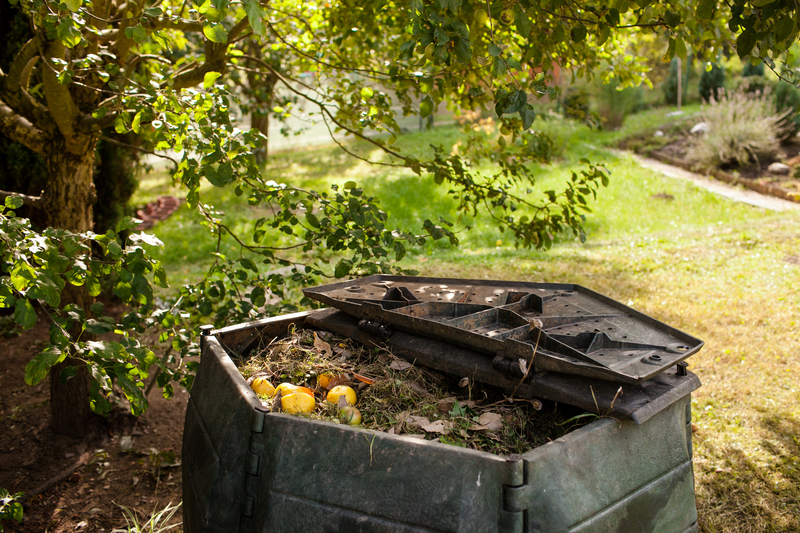
- Composting (brown material): Shred plain, non-glossy cardboard and layer it with kitchen scraps at a ~2:1 "browns to greens" ratio. Remove plastic tape; small amounts of water-activated paper tape are fine.
- Garden mulching: Lay flattened, non-coloured sheets under bark or compost to suppress weeds. Wet them slightly so they hug the soil.
- Upcycle: Cat scratchers, drawer dividers, craft projects for kids, seed-starting pots. Quick wins, little smiles.
- Schedule smart. After holidays or big deliveries, book an on-demand recycling pickup if your council limits volume. Some services do same-day collections.
- Safety and privacy. Peel off labels with your name and address or black them out. Staples? Not a big deal--recycling mills remove them.
For Small Businesses and SMEs
- Map your streams. Identify where cardboard accumulates (goods-in, pack stations, shop floor). Note volumes by day and week. Peaks matter--Black Friday, new season launches, you know the drill.
- Keep it clean. Position dry, covered storage close to where boxes are unpacked. Post simple rules: remove film, flatten immediately, no food-contaminated card. A sign and a knife on a lanyard work wonders.
- Pick your tech:
- Entry-level: Wall-mounted holders and straps to bundle flats.
- Cardboard shredder: Turns waste boxes into protective void fill--great for ecommerce returns and fragile items.
- Baler: A small vertical baler produces 40-120 kg bales; a mid-size unit can produce mill-size bales (200-400 kg). Baled card is easier to sell and store.
- Compactor and IoT bins: For high-volume sites, compactors and fill-level sensors optimise collections and cut costs.
- Choose your outlet:
- Recyclers and brokers: Arrange collections and negotiate rebates for clean, baled card (LoW code 15 01 01).
- Reuse partners: Box-reuse marketplaces buy or redistribute quality boxes for resale. Crisp edges and uncrushed flutes fetch better value.
- Community channels: Donate craft-grade offcuts to schools or theatres.
- Train and track. Do a 10-minute toolbox talk. Show the right way to cut, stack, and bale. Track monthly weights and rebates; celebrate wins with the team. A little applause goes a long way.
- Stay compliant. Keep Waste Transfer Notes, confirm carriers' licences, and store bales away from heat sources to reduce fire risk.
For Larger Sites and Multi-Location Operations
- Standardise SOPs. Create simple, visual standards: where to stage cardboard, how to remove contamination, who bales and when.
- Right-size equipment. Multi-site rollouts benefit from a mix of balers, compactors, and shredders depending on volume. Consider pay-per-use schemes to avoid capex.
- Reverse logistics. Use backhauls on returning delivery vehicles to move baled or bundled cardboard to a central hub.
- Data and incentives. Use IoT sensors and dashboards to track fill levels and collections. Tie site bonuses to contamination-free bales and cost savings.
- Sell higher grades. Separate kraft, white-top, and high-grade board where volumes justify it; follow EN 643 grade definitions for better pricing.
Innovative and Less-Obvious Options
- Box return schemes: Some retailers and fulfilment providers offer packaging take-back for reuse. If the box is still sturdy, it's a shame to pulp it.
- Cardboard briquettes: With a briquette press, wet shredded cardboard can be formed into logs for approved wood-burning stoves. Check your appliance guidance and local air quality rules first.
- Design for next time: Switch to water-activated paper tape and minimal inks so future recycling is cleaner and easier.
- Community micro-hubs: In flats and dense urban areas, residents can rotate hosting a dry-box storage corner for shared runs to the recycling centre. Bring biscuits. It helps.
Expert Tips
Make Reuse the Default
Before you think recycling, think reuse. Keep a neat stack of the three strongest boxes near your wardrobe or stockroom; you'll be surprised how often you reach for them. One small florist told us, We save every shoe-box size carton for gift bundles--customers love the feel of reuse done well.
Moisture Is the Enemy
Even a light drizzle can downgrade cardboard quality. If rain is forecast, keep your flattened stack inside and put it out early morning on collection day. Or cover the stack with a tarp. Simple, boring, effective.
Decant at the Door
When deliveries arrive, decant items at the door, flatten boxes immediately, and move the card to a dry zone. Less mess inside, fewer trips later.
Remove the Big Contaminants
Large strips of plastic tape, bubble wrap, polystyrene--out they go. Small amounts are okay; recycling mills handle them. But a cleaner feedstock means fewer rejections and better rebates.
Shred for Void Fill
For ecommerce, a mid-range cardboard shredder creates cushiony, honeycomb-like mats. They replace plastic void fill and feel oddly satisfying to tear. Customers notice the eco touch, and its not just vibes--it's cost avoidance.
Keep Bales Small at First
If you're just starting, smaller bales are easier to manage and store. As volume grows, step up to mill-size bales for higher rebates. Don't rush it--consistency beats ambition here.
Use Clear Signage
Two posters. One shows what goes in (clean, dry, flattened card). The other shows what doesn't (food, wet card, polystyrene). You'll reduce contamination without nagging anyone. Promise.
Schedule Collections After Your Busy Days
Retailers: book pickups right after delivery days. Restaurants: after deliveries and before weekend peaks. Seasonal swings? Add a temporary extra pickup. Flex a little.
Common Mistakes to Avoid
- Letting boxes get soggy. Rain ruins the fibre, turning good recycling into refuse. Store indoors or cover; if it's soaked through and smells musty, compost or dispose as residual waste.
- Overcomplicating the workflow. If staff have to walk across the site to recycle, they wont. Put cutting tools and bins where the waste is generated.
- Mixing in food-contaminated card. Pizza boxes with heavy grease? Tear off the clean lid for recycling and compost or bin the greasy base.
- Using the wrong equipment size. An oversized baler will sit idle; an undersized one frustrates staff. Trial before you buy if you can.
- Ignoring fire safety. Cardboard burns. Don't stack near heat sources or block exits; keep bales off walls with safe clearance. Insurers really care about this.
- Chasing rebates before quality. Get your contamination rate near zero first, then negotiate pricing. Quality opens doors.
Case Study or Real-World Example
South London Fulfilment Hub: From Overflowing Skips to Revenue
A mid-sized South London micro-fulfilment centre processing 2,500 orders/day struggled with cardboard mountains--two overflowing mixed-waste skips per week and a recurring smell of damp card (you know the one). Staff spent 45 minutes a day consolidating boxes by hand.
What changed:
- Introduced a vertical baler and a compact cardboard shredder for void fill.
- Moved a dry storage cage within 5 metres of goods-in. Added a simple sign: Flatten, remove film, stack by size.
- Switched to water-activated tape and trained packers to use shredded card as void fill (replacing bubble wrap).
- Negotiated a weekly baled-card pickup at a rebate, plus a monthly quality audit.
Results after 10 weeks:
- Mixed-waste collections dropped by 60% (fewer skips, fewer headaches).
- Baled cardboard generated a modest monthly income--enough to offset the leasing cost of the baler.
- Customer feedback mentioned "eco packaging" 17 times that quarter. Small detail, big perception shift.
- Staff time on waste fell to under 10 minutes/day. Someone even said, Weirdly satisfying now.
Ever had a change so simple you wish you'd done it a year earlier? Yeah, we've all been there.
Tools, Resources & Recommendations
Equipment
- Box cutters and safety knives: Retractable blades with lanyards reduce lost tools and cut time.
- Cardboard shredders: Choose cross-cut for cushioning mats or strip-cut for compact void fill.
- Balers: Vertical models for SMEs; horizontal or mill-size for high volumes. Ask for remote telemetry if available.
- Compactors: Useful for mixed recyclables; ensure dry feedstock.
- IoT sensors: Fill-level monitoring to trigger collections at 70-80% capacity.
Operational Resources
- WRAP (Waste & Resources Action Programme): Practical guidance on recycling quality and the UK waste hierarchy.
- Local council recycling pages: Check accepted materials, weight limits, and collection schedules in your area.
- OPRL (On-Pack Recycling Label): Understand labelling so you sort right first time.
- Reuse platforms: Freecycle, local Facebook groups, Gumtree Freebies, and box reuse marketplaces (e.g., UK-based specialists).
- Waste brokers and recyclers: For businesses, compare rebates and contamination allowances. Ask about EN 643 grade specs.
Process Enhancers
- Standard Operating Procedures (SOPs): One clear page with photos beats a lengthy handbook.
- Training huddles: 10-minute demos on flattening, baling, and contamination risk.
- Data tracking: Monthly tonnage, contamination rate, and rebate value. What gets measured gets better.
Law, Compliance or Industry Standards (UK-focused)
Responsible cardboard disposal intersects with several UK laws and standards. Here's what actually matters day-to-day.
Waste Hierarchy and Duty of Care
- Waste Hierarchy: UK regulations embed the hierarchy: prevention, reuse, recycling, recovery, disposal. Prioritise reuse and high-quality recycling.
- Duty of Care (Environmental Protection Act 1990): Businesses must ensure waste is stored securely, transferred only to licensed carriers, and accompanied by a Waste Transfer Note (keep records for at least two years).
Separate Collections and TEEP
- Separate collection duty: The Waste (England and Wales) Regulations 2011 require separate collection of key recyclables (including paper/card) where it is Technically, Environmentally and Economically Practicable (TEEP). Most sites can meet this with a dedicated cardboard stream.
Extended Producer Responsibility (EPR) and Packaging
- Packaging Waste Regulations and PRNs: Producers have obligations to recover and recycle packaging. Keep an eye on EPR reforms under the Environment Act 2021--data reporting and cost responsibility are increasing for producers.
List of Waste (LoW) Codes
- 15 01 01: Paper and cardboard packaging (business waste).
- 20 01 01: Paper and cardboard (household/municipal).
Standards and Quality
- EN 643: European List of Standard Grades of Paper and Board for Recycling--useful for specifying and selling higher-quality grades.
- ISO 14001: Environmental management systems--useful framework for larger organisations to manage and improve waste performance.
Fire Safety and Storage
- Good practice: Store bales away from heat sources, maintain clear exits, and follow insurer or local fire authority guidance. Don't stack to the ceiling; leave safe clearances.
Regional Notes
- England: Check Environment Agency carrier registration.
- Scotland: SEPA guidance applies; similar duty of care.
- Wales: NRW guidance; strong push for separate recycling streams.
- Northern Ireland: NIEA guidance; verify carrier licences.
To be fair, compliance sounds heavy, but most of it boils down to two things: keep your cardboard clean and separate, and keep your paperwork tidy.
Checklist
- Sort: Separate cardboard from other materials immediately.
- Dry: Keep under cover; avoid rain and spill zones.
- Flatten: Cut tape, collapse boxes, stack by size.
- Decontaminate: Remove film, large tape runs, food residues.
- Choose outlet: Reuse, recycle, shred, bale, or donate--pick the best fit.
- Contain: Use straps, cages, or bales to keep areas tidy.
- Schedule: Align collections with delivery days or seasonal peaks.
- Record: Keep Waste Transfer Notes and tonnage data (businesses).
- Review: Quarterly review: costs down? quality up? any tweaks?
Conclusion with CTA
If there's a theme here, it's this: small, thoughtful changes flip cardboard from chaotic clutter into a neat, valuable resource. Whether you're a household juggling deliveries or a fast-moving warehouse, there are innovative ways to dispose of cardboard packaging responsibly that fit your day and your budget. Keep it dry, keep it clean, and keep it moving.
Get a free quote today and see how much you can save.
And hey--next time a parcel lands on your doorstep and that woody-paper smell wafts up as you open it, take a breath. You've got this. One box at a time.
FAQ
Is all cardboard recyclable in the UK?
Most cardboard is recyclable at kerbside, especially corrugated boxes and plain paperboard. Avoid heavily waxed, plastic-lined, or food-soaked card. Check the OPRL label and your council's guidance for local specifics.
Do I need to remove tape and labels from boxes?
Remove large runs of plastic tape and any bubble wrap. Small bits and staples are typically removed at the mill. For privacy, remove or black out address labels.
Are greasy pizza boxes recyclable?
Partly. Tear off the clean lid for recycling and compost or bin the greasy base. Light staining is usually fine; heavy oil and food scraps are not.
What's the best way to store cardboard before recycling?
Flatten immediately, keep in a dry place, and stack by size. If you're expecting rain, store indoors until collection day. Moisture is the number one contaminant.
Is shredding cardboard for void fill a good idea?
Yes--especially for ecommerce. Shredded card replaces plastic void fill, protects items well, and reduces waste volumes. Choose a machine that makes mats or strips depending on your packing needs.
What's the difference between a baler and a compactor?
A baler compresses cardboard into dense bales tied with wire or strapping--ideal for selling to recyclers. A compactor compresses mixed recyclables or residual waste into a container for fewer collections. For cardboard specifically, balers usually deliver better value.
Can I compost cardboard at home?
Yes--use plain, non-glossy, non-dyed card. Shred it and mix with kitchen scraps and garden waste. Aim for a roughly 2:1 brown (card) to green (food/grass) ratio. Remove plastic tape first.
What UK laws affect how businesses handle cardboard waste?
Key points: Duty of Care under the Environmental Protection Act 1990, separate collection under the Waste (England and Wales) Regulations 2011 (TEEP), proper use of Waste Transfer Notes, and ensuring your waste carrier is licensed. EPR reforms will also affect packaging producers.
Which List of Waste (LoW) code applies to cardboard packaging?
For business packaging, use 15 01 01 (paper and cardboard packaging). For household/municipal paper and card, 20 01 01 is used.
How do I get paid for my cardboard?
Keep it clean, dry, and baled. Contact local recyclers or waste brokers, request pricing for EN 643 grades if relevant, and schedule regular pickups. Higher-quality bales fetch better rebates.
Are frozen food and drinks cartons recyclable like normal cardboard?
Frozen food boxes often contain wet-strength additives or coatings and may or may not be accepted locally. Check the OPRL label and your council's rules. Drinks cartons (composite materials) are a different stream and usually require specific collection schemes.
Can cardboard be reused without looking "tatty" for customers?
Absolutely. Choose the best-condition boxes, trim edges, use clean branding stickers, and seal with water-activated paper tape. Many customers appreciate smart reuse--it feels authentic and responsible.
How do I prevent fire risks with stored cardboard?
Keep stacks and bales away from heat sources, maintain clear aisles and exits, avoid ceiling-high stacks, and follow insurer or fire authority guidance. Regular housekeeping is key.
What should I do during peak season when I'm overwhelmed with boxes?
Add temporary collections, set up an overflow dry storage area, and consider short-term baler or shredder rentals. Post simple sorting rules and put extra knives and straps where work actually happens.
Is waxed or plastic-lined cardboard recyclable?
Often not in standard kerbside streams. If the card is obviously coated or water-resistant, check local guidance. When in doubt, reuse if possible or place in residual waste if your council doesn't accept it.
Do I need to remove metal staples from cardboard before recycling?
No. Recycling mills can remove small metal items like staples and the odd paper clip. Focus on removing plastic films and food residues instead.
What's a quick win for a small shop with limited space?
Put a flattening station at goods-in, bundle flattened card daily with straps, and set a weekly collection. If you ship online orders, a compact shredder to make void fill is often a game-changer.